
Personal Qualities
Information for selected colleges (some colleges may not have full details)
Personality and Character
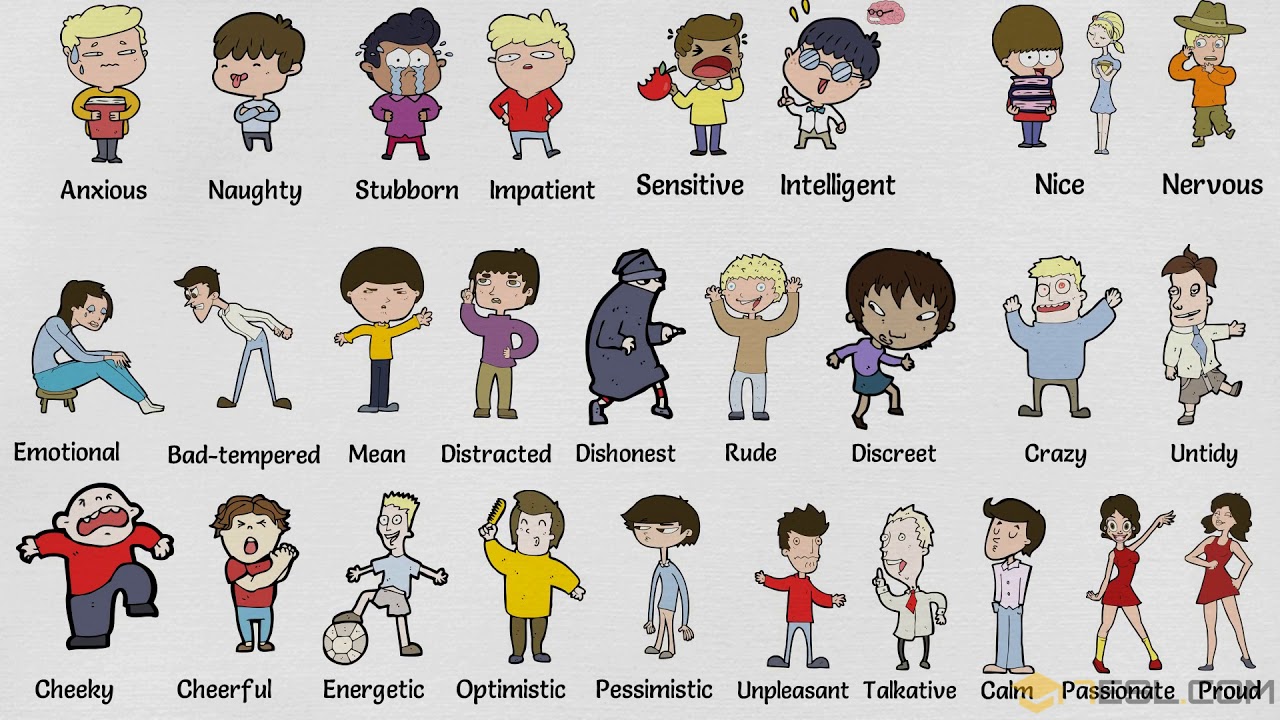
Personality, Character, and Talent in College Admissions
Colleges evaluate far more than GPA and test scores. Your character, personal qualities, and talents are powerful parts of your application—they reveal who you are, how you'll contribute to campus, and what kind of growth you're capable of. Competitive colleges seek specific traits that distinguish applicants in a highly qualified pool.
Why Character and Talent Matter
- Distinctiveness: Personality and talent set you apart beyond academics, showing admissions officers who you are as a person.
- Campus contribution: Colleges want students who will enrich their community through leadership, creativity, service, and collaboration.
- Growth potential: Talent signals future achievement, while character traits like resilience and curiosity show you can thrive in a college environment.
- Fit and culture: Admissions committees assess how your personality aligns with the school's values and what you'll bring to academic and social life on campus.
Traits Colleges Value Most
- Intellectual curiosity: A genuine passion for learning, shown through challenging coursework, independent research, or deep exploration of a subject beyond what's assigned.
- Independent thinking: The ability to pursue interests, form your own opinions, and tackle problems creatively—demonstrated through research projects, debate, entrepreneurial ventures, or unique extracurriculars.
- Leadership: Holding meaningful roles—team captain, club president, mentor, or community organizer—and making a genuine impact, not just holding a title.
- Perseverance and work ethic: Evidence of tackling challenges, committing to long-term projects, and going above and beyond expectations.
- Creativity and innovation: Developing original solutions, building something new, or approaching problems in unconventional ways.
- Collaboration and teamwork: Working effectively with others on coursework, extracurriculars, or community projects—especially when you can describe a tangible outcome.
- Open-mindedness: Welcoming new ideas, exploring diverse perspectives, and demonstrating willingness to step outside your comfort zone.
- Initiative: Creating opportunities rather than waiting for them—starting a club, launching a project, or building something independently.
- Service to others: Genuine community involvement shows you care about making a difference and will be a positive force on campus.
- Good judgment and maturity: Planning ahead, understanding consequences, and making choices aligned with your goals—essential for handling the independence of college life.
- Demonstrated interest: Showing sincere enthusiasm for a school through campus visits, informed questions, thoughtful supplemental essays, or early decision applications.
How to Show Colleges Who You Are
- Extracurricular depth over breadth: Quality matters more than quantity. Deep, sustained commitment to a few activities is more impressive than a long list. Highlight growth, accomplishments, and what you learned.
- The college essay: Your personal statement is your strongest tool for revealing personality. Write with authenticity, self-awareness, and a clear voice. Admissions officers want to see creativity, reflection, and genuine character.
- Recommendations: Letters from teachers and counselors offer third-party evidence of your traits—integrity, curiosity, collaboration, and resilience.
- Interviews: If offered, interviews let you show personality, enthusiasm, and interpersonal skills directly.
- Summer experiences: What you do over the summer—whether working, volunteering, researching, or caring for family—reveals your values and interests.
- Part-time work: Jobs demonstrate time management, responsibility, and real-world skills. Tutoring, retail, food service, coaching, or self-employment each showcase different strengths.
Showcasing Talent
- Pursue your talents consistently and seek opportunities for recognition— competitions, auditions, portfolios, or published work.
- Some colleges validate exceptional abilities through auditions, athletic recruiting, or specialized assessments in areas like music, art, or STEM.
- Use talents for community benefit—teaching, performing, building—to elevate your candidacy beyond individual achievement.
Important Nuances
- Balance is key: Excelling in talent without showing humility or teamwork can raise concerns. Colleges want well-rounded contributors, not just star performers.
- Growth mindset: Demonstrating how you overcame setbacks or developed skills over time often impresses more than a polished list of achievements.
- Uniqueness over perfection: Showing your individuality— quirks, unconventional interests, honest reflections—resonates more than a flawless but generic profile.
- Finishing strong matters: Improvement in grades or involvement over time shows perseverance and can compensate for a slower start in high school.
Personality and talent are powerful parts of your application. Invest time in discovering, nurturing, and communicating these qualities authentically. The best applications tell a coherent story—where your character, talents, and experiences all point toward who you are and who you're becoming.
Neurodivergent & Introverted Students
Admissions culture can sometimes feel like it rewards extroverted, gregarious personalities. But quiet leadership, deep focus, and analytical thinking are genuine strengths that colleges value — they just need to be framed effectively.
Reframing Introversion
Introverted students often excel at deep, focused work — independent research, writing, one-on-one mentoring, and thoughtful problem-solving. These are exactly the skills that succeed in college. Instead of trying to present yourself as an extrovert, lean into your authentic strengths:
- Describe how you led through ideas rather than volume — the student who sends the crucial email, writes the proposal, or mentors one person deeply
- Highlight depth of engagement over breadth — one deeply pursued interest demonstrates more than ten casual memberships
- Use your writing skills — many introverted students write exceptionally strong essays because they are naturally reflective
Neurodivergent Students
Students with ADHD, autism, dyslexia, or other neurodivergent traits bring unique perspectives and problem-solving approaches. Whether to disclose is a personal decision — there is no obligation to do so. If you choose to share, focus on how you have developed strategies for success and how your different way of thinking has been an asset. Many colleges have strong disability services and actively welcome neurodivergent students.
Cultural Context
Students from different cultural backgrounds may present themselves very differently in applications, and experienced admissions officers are aware of this. What reads as "confidence" in one culture may seem like "boasting" in another. What one culture considers respectful humility, another might interpret as lack of initiative.
Varying Communication Styles
- Some cultures emphasize collective achievement over individual accomplishment — if this is your background, it is okay to describe team successes while noting your specific contributions
- Students from cultures where self-promotion is discouraged may need to practice describing their achievements comfortably — this is not bragging, it is informing
- Communication styles around authority vary — some students are trained to be deferential, while American admissions culture values confident engagement
Admissions Officers' Awareness
Good admissions officers are trained in cross-cultural communication and understand that a student from rural Vietnam, suburban Lagos, or inner-city Detroit will present differently. Your cultural background is an asset, not a barrier. Be authentic to who you are while ensuring your accomplishments and qualities come through clearly. If cultural context would help a reader understand your application better, include it — briefly and naturally.
References:
- 7 Core Personality Traits that Impress Top Colleges (It’s Not What You Think!) | Blue Stars College Admissions Consulting
- Two Qualities College Admissions Officers Want to See in Your App Essay
- What Do College Admissions Look For In Applicants?
- Traits that Colleges Look for in Applications
- Top 10 Qualities Colleges Look for in a Student
- The top 5 qualities that universities look for in applicants
- Top 7 Qualities Valued by US University Admissions Officers
- Ten Skills to Highlight on Your College Applications
- Characteristics Colleges Look for in Students
- Qualities Earned From Extracurricular Activities and How to Show Them on College Apps
- 9 PERSONALITY AND CHARACTER TRAITS COLLEGES LOOK FOR IN APPLICANTS
- Character Counts: What Are Colleges Looking For?