
Early Application
Information for selected colleges (hint: some colleges may not have the information you are looking for)
Early Application
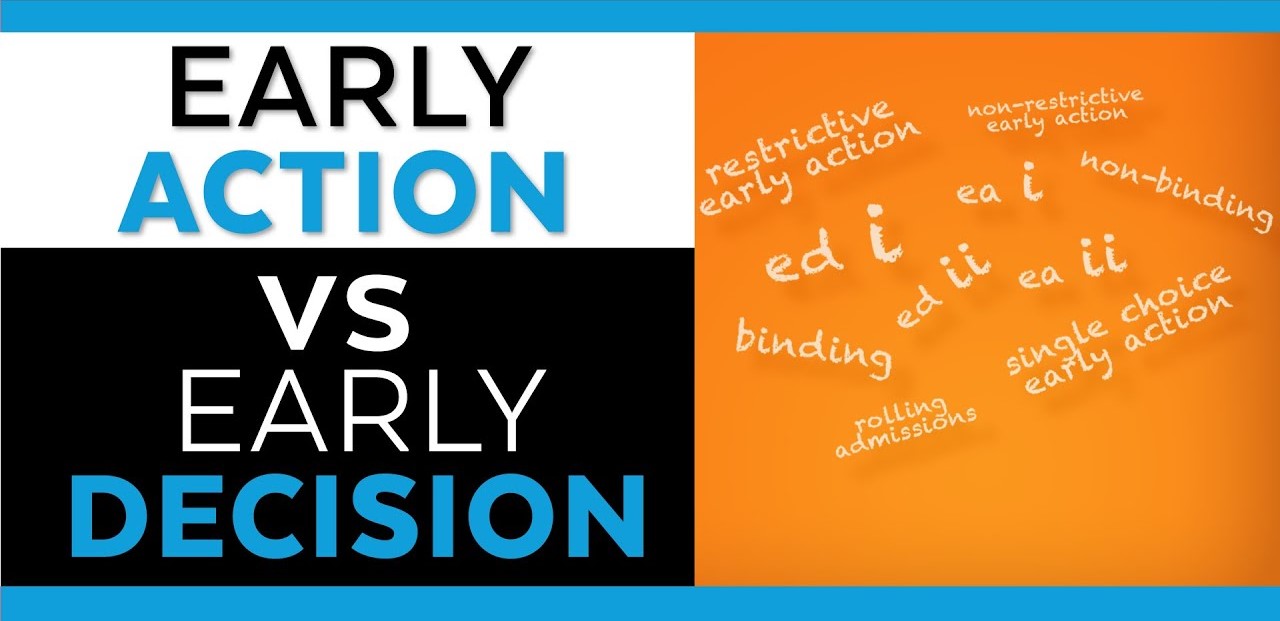
Understanding Early Application Options
Deciding when and how to apply to college is a strategic choice that can significantly impact your admissions outcome. Early application rounds — including Early Decision, Early Action, and Restrictive Early Action — offer advantages but come with important commitments and trade-offs.
Early Decision (ED)
Early Decision is a binding commitment. If accepted, you are required to enroll and must withdraw all other applications. The ED deadline typically falls in November, with decisions by mid-December. Some schools offer ED II with a January deadline and February decisions.
Pros:
- Higher acceptance rates at many selective schools — ED rates are often significantly above regular decision rates.
- Demonstrates clear first-choice commitment, which admissions officers value.
- Relieves stress early — you may have your answer before winter break.
Cons:
- Binding commitment limits your options — you cannot compare financial aid offers from multiple schools.
- If the financial aid package is insufficient, you can be released from the commitment, but this process can be stressful.
- Requires having your application materials ready earlier than most students.
Early Action (EA)
Early Action is non-binding. You receive an early decision (usually by January or February) but are not required to commit until May 1. You may apply EA to multiple schools.
Pros:
- Learn your admissions status early while keeping your options open.
- Time to compare aid packages and make an informed decision.
- Can apply EA to multiple schools simultaneously.
Cons:
- Does not offer the same admissions advantage as ED at most schools.
- Still requires early preparation of all application materials.
Restrictive Early Action (REA) / Single-Choice Early Action (SCEA)
Some highly selective schools (Stanford, Harvard, Yale, Princeton, Notre Dame) offer REA or SCEA. This is non-binding like EA, but restricts you from applying Early Decision or Early Action to other private institutions. You may still apply EA to public universities.
REA is ideal when you have a strong first-choice school but want the flexibility to compare offers. Read each school's specific restrictions carefully — they vary.
Comparing ED, EA, and REA
| Feature | Early Decision | Early Action | Restrictive EA |
|---|---|---|---|
| Binding? | Yes | No | No |
| Deadline | Nov 1-15 | Nov 1-15 | Nov 1 |
| Decision by | Mid-Dec | Jan-Feb | Mid-Dec |
| Apply to other schools early? | No (with exceptions) | Yes | Limited |
| Must commit if accepted? | Yes | No (May 1) | No (May 1) |
Regular Decision and Rolling Admission
Regular Decision deadlines typically fall between January 1 and February 1, with decisions in late March or April. Rolling Admission schools review applications as they arrive and respond within weeks — applying early in their cycle improves your chances as more seats are available.
Deferral: What It Means
If you apply early and are deferred, your application moves to the regular decision pool for reconsideration. A deferral is not a rejection — it means the school wants more time or more information before deciding. If deferred:
- Send a letter of continued interest reaffirming the school is your top choice.
- Update the school with any new achievements, grades, or test scores.
- Continue working hard academically — your mid-year grades will matter.
- Move forward with other applications and keep all options open.
Early Admission (Not the Same as Early Application)
Early admission programs allow exceptionally mature students to enter college before completing high school (often after junior year). These are rare and typically require strong academic records, teacher recommendations, and evidence of social readiness. This differs from Early Decision/Action, which are application timing strategies for traditional-aged applicants.
Strategic Considerations
- Apply ED only if you're certain: Your first-choice school should be clear, and you should be comfortable with the financial implications.
- Use EA to your advantage: Apply EA to multiple schools to maximize early responses while keeping options open.
- Don't rush: If your application will be significantly stronger with another month of work (better essay, higher test score, additional achievements), Regular Decision may be the better choice.
- Financial aid matters: If comparing aid packages is critical for your family, avoid ED (or understand the financial release process) and prefer EA or Regular Decision.
- Demonstrate interest: Whether you apply early or regular, show genuine interest through campus visits, demonstrated interest tracking, and thoughtful supplemental essays.
Early Decision II (ED2) — The Second Chance
ED2 is a binding early option with a January deadline (typically January 1–15) and decisions by mid-February. It exists for students who either weren't ready for ED1, were deferred or denied from their ED1 school, or identified a new first-choice school later in the process.
Schools offering ED2 include many selective institutions such as Vanderbilt, Emory, NYU, Tufts, Boston College, Pomona, Claremont McKenna, Barnard, Colby, Middlebury, Wesleyan, Washington University in St. Louis, and Brandeis. The list grows each year—check each school's website for current policies.
ED2 strategy tips:
- ED2 is ideal if you were deferred from your ED1 school and have a clear second-choice school you'd happily commit to.
- Like ED1, it's binding — only apply ED2 if you're genuinely committed and comfortable with the financial implications.
- ED2 acceptance rates are sometimes higher than RD at the same schools, though the advantage is typically smaller than ED1.
- You can apply ED2 to one school while maintaining active Regular Decision applications elsewhere (withdraw if accepted ED2).
Should I Apply Early? A Decision Framework
Use this checklist to determine whether an early application round is right for you:
Apply early if:
- You have a clear first-choice school and have researched it thoroughly.
- Your application is strong as-is — your GPA, test scores, and essays are ready by October.
- You want to reduce stress by getting an answer early in the cycle.
- You've visited the campus (or attended virtual events) and feel confident in your fit.
- Your family is comfortable with the financial commitment (for ED), or you're applying EA/REA.
- Your senior fall grades won't significantly change your transcript profile.
Wait for Regular Decision if:
- You need more time to strengthen your essays, test scores, or activities list.
- Comparing financial aid packages is critical for your family's decision.
- You haven't identified a clear first-choice school yet.
- Your senior fall grades will meaningfully improve your academic profile.
- You're retaking the SAT/ACT in November or December and expect significant improvement.
- You feel pressured to apply early but aren't genuinely excited about committing to one school.
ED vs. RD Acceptance Rates
Early Decision acceptance rates are significantly higher than Regular Decision at most selective schools. However, these numbers come with an important caveat: self-selection bias. ED applicants tend to be stronger candidates who have researched the school thoroughly and are confident in their fit — which partially explains the rate gap.
Approximate ED vs. RD Acceptance Rates (Recent Cycles)
- Harvard: REA ~7–8% vs. RD ~2–3%
- University of Pennsylvania: ED ~15–18% vs. RD ~4–5%
- Duke: ED ~16–18% vs. RD ~4–5%
- Northwestern: ED ~20–25% vs. RD ~5–6%
- Dartmouth: ED ~18–21% vs. RD ~4–6%
- Brown: ED ~14–16% vs. RD ~4–5%
- Johns Hopkins: ED ~18–22% vs. RD ~5–7%
- Vanderbilt: ED ~17–21% vs. RD ~4–6%
- Washington University in St. Louis: ED ~25–30% vs. RD ~8–10%
- Emory: ED ~20–25% vs. RD ~10–13%
- Tufts: ED ~30–35% vs. RD ~9–12%
- Boston College: EA ~25–28% vs. RD ~16–19%
Important: These are approximate ranges based on recent admissions cycles and may vary year to year. Self-selection bias means ED pools are not directly comparable to RD pools — ED applicants tend to be legacy, recruited athlete, or otherwise "hooked" candidates at higher rates. The true admissions advantage of ED, controlling for applicant quality, is smaller than the raw numbers suggest.
Regular Decision Deep-Dive
Regular Decision (RD) is the standard application timeline with deadlines typically between January 1 and February 1, and decisions arriving in late March or April. While ED and EA get significant attention, RD remains the path most students take — and it offers distinct advantages.
What RD Offers
- Time to compare: You receive all decisions and financial aid offers before committing, allowing side-by-side comparison of schools, aid packages, and campus culture.
- Stronger application: Extra months mean better essays, higher test scores from fall retakes, and a stronger senior fall transcript.
- Financial aid comparison: Unlike ED (where you commit before seeing other offers), RD lets you negotiate and compare aid packages across schools.
- More complete exploration: Students who aren't sure of their top choice can continue researching and visiting campuses through the fall.
RD Timeline
- October–December: Finalize essays and supplements, request transcripts and recommendations
- January 1–15: Most RD deadlines fall in this window
- January–February: Mid-year reports sent by counselor; submit any updated test scores
- Late March–April: Decisions released; compare offers
- May 1: National Decision Day — commit and deposit
When RD Is the Right Strategy
Choose RD if you don't have a clear first-choice school, if comparing financial aid is critical, if your application will be meaningfully stronger with another month of work, or if you're retaking the SAT/ACT in November or December. RD is also the best choice for students who would feel uncomfortable with a binding commitment.
ED and Financial Aid Tension
The biggest concern with Early Decision is the tension between its binding commitment and financial uncertainty. When you apply ED, you commit to attending before seeing your financial aid package. For families where cost is a significant factor, this creates real risk.
What Happens If the Aid Package Is Insufficient?
If a school's financial aid offer doesn't meet your demonstrated need and you cannot afford to attend, you can be released from the ED commitment. This is a recognized exception — you are not required to attend if the financial package makes it genuinely unaffordable. However, the process of requesting a release can be stressful and may involve documentation of your financial situation.
How to Handle the ED-Financial Aid Conflict
- Run the Net Price Calculator on the school's website before applying ED. This gives you an estimate of what the school expects your family to pay.
- Have a frank family conversation about your budget, expected family contribution, and what you'd do if the aid package falls short.
- Contact the financial aid office before applying ED to ask about typical aid packages for students with your profile.
- Understand the appeals process: If the initial offer is insufficient, you can request a professional judgment review with documentation of special circumstances (job loss, medical expenses, divorce, etc.).
- Know your walk-away number: Determine the maximum annual cost your family can handle before committing to ED.
When to Avoid ED Due to Financial Concerns
Avoid ED if your family needs to compare multiple aid offers to find the most affordable option, if your EFC (Expected Family Contribution) is uncertain due to changing income or assets, or if merit scholarships from other schools could significantly reduce your cost. In these cases, EA or RD preserves your ability to negotiate and compare.
References:
- What’s the Difference Between Early Action, Restrictive Early Action, and Early Decision? – Niche Blog
- Early Decision & Early Action Applications | College Board
- Everything You Need to Know About ED II (vs. ED I) - Spark Admissions
- Early Action vs. Early Decision | BestColleges
- What to Know About Early Action and Early Decision
- Should You Apply Early Action vs Early Decision?
- Early Action vs. Early Decision: Pros and Cons and What Your Child Should Do
- Picking Your College: Early Action Vs. Early Decision
- Early Action vs Early Decision: Understanding The Difference
- Early Action vs. Early Decision: What’s the Difference?
- Early Action Vs. Early Decision
- The Difference Between Early Decisions 1 & 2, Restrictive Early Action, and Early Action
- Should I Apply Restrictive Early Action? | College Coach Blog
- Understanding Early Action, Early Decision, Restricted Early Action and Rolling Admission
- Should I Apply Early Action?
- EARLY ACTION AND EARLY DECISION ADMISSIONS
- 3 Reasons to Skip Applying to College Early
- WHAT IS A DEFERRED COLLEGE ADMISSIONS DECISION?
- Why and How to Defer College Acceptance for a Gap Year
- What to Know About Deferred College Admission
- Understanding the Facts about Deferrals
- Deferred College Admission: What It Means for Applicants & How to Handle It
- Being Deferred: What It Means and What Your Next Steps Should Be
- Early Admissions for High School Students
- WHAT IS EARLY ADMISSION TO COLLEGE?
- Early Admissions: How does it work and how should I approach it?
- What Is Early Admission for Colleges?