
Loans
Federal Loan Overview Tool
Select colleges to compare federal loan options, borrowing rates, and debt statistics.
Loan
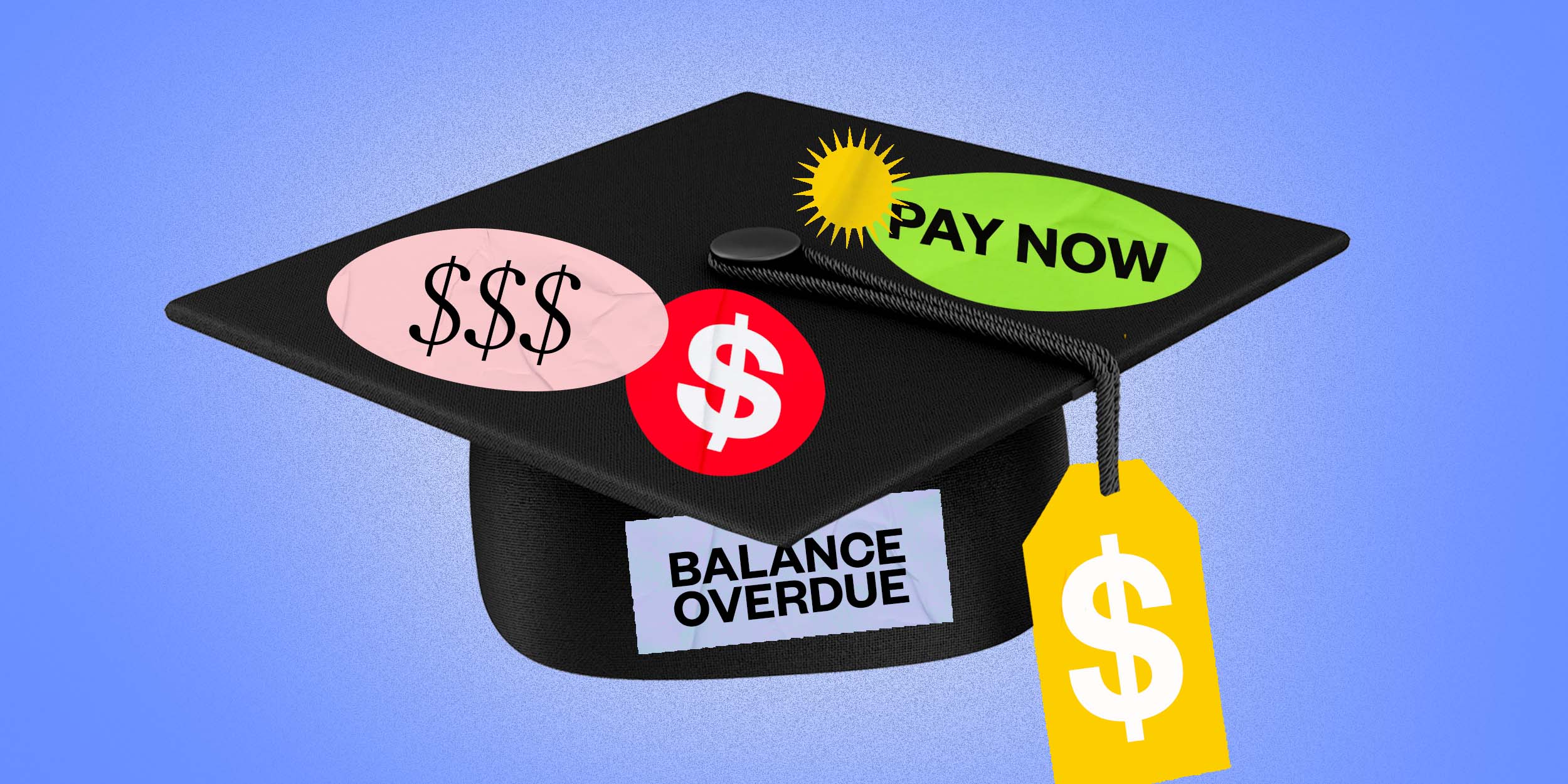
Student Loans: A Complete Guide
Student loans are a common part of financing higher education. Understanding the types, terms, repayment options, and strategies for managing debt will help you borrow wisely and minimize long-term costs.
Federal Student Loans
Federal loans are issued by the U.S. Department of Education and offer benefits that private loans typically don't — including fixed interest rates, income-driven repayment plans, and loan forgiveness programs. You must complete the FAFSA to qualify.
- Direct Subsidized Loans: For undergraduate students with demonstrated financial need. The government pays interest while you're enrolled at least half-time, during the grace period, and during deferment.
- Direct Unsubsidized Loans: Available to undergraduates and graduate students regardless of financial need. Interest accrues from disbursement, even while in school.
- Direct PLUS Loans: For parents of dependent undergraduates or for graduate students. Require a credit check and carry higher interest rates. Available up to the full cost of attendance minus other aid.
- Direct Consolidation Loans: Allow you to combine multiple federal loans into one loan with a single monthly payment. The interest rate is a weighted average of your existing rates.
Federal Loan Limits
Annual borrowing limits depend on your year in school and dependency status. For dependent undergraduates: $5,500(freshman), $6,500 (sophomore), $7,500 (junior/senior). Independent students can borrow an additional $4,000-$5,000 in unsubsidized loans. The aggregate limit for dependent undergraduates is $31,000.
Beyond Federal Loans
If federal loans don't cover your full need, additional options include:
- State loans: Some states offer supplemental student loan programs with competitive rates. Check your state's higher education agency.
- Institutional loans: Some colleges offer their own loan programs, often with favorable terms for students with demonstrated need.
- Private loans: Offered by banks, credit unions, and online lenders. Rates depend on creditworthiness (you may need a cosigner). Private loans generally lack the protections and flexibility of federal loans — use them as a last resort.
Repayment Plans
Federal loans offer multiple repayment options:
- Standard Repayment: Fixed payments over 10 years. Minimizes total interest paid.
- Graduated Repayment: Payments start low and increase every two years. Good if you expect your income to rise.
- Extended Repayment: Stretches payments over 25 years, reducing monthly amounts but increasing total interest.
- Income-Driven Plans (IDR): Payments are capped at a percentage of your discretionary income (10-20%). Remaining balance may be forgiven after 20-25 years. Options include SAVE, PAYE, IBR, and ICR.
Loan Forgiveness Programs
- Public Service Loan Forgiveness (PSLF): After 120 qualifying payments while working full-time for a qualifying employer (government, nonprofit), remaining federal loan balance is forgiven tax-free.
- Teacher Loan Forgiveness: Up to $17,500 forgiven for teachers who work 5+ consecutive years in low-income schools.
- IDR Forgiveness: Remaining balance forgiven after 20-25 years of income-driven payments (may be taxable).
Consolidation vs. Refinancing
Consolidation (federal) combines multiple federal loans into one, simplifying payments. Your new rate is a weighted average — it doesn't lower your rate but can extend your repayment term and give access to additional repayment plans.
Refinancing (private) replaces existing loans with a new private loan at a potentially lower rate based on your creditworthiness. This can save money but permanently removes federal protections (IDR plans, forgiveness, forbearance).
Smart Borrowing Strategies
- Borrow only what you need — not the maximum offered. Calculate your actual costs carefully.
- Exhaust federal loans before considering private loans.
- Make interest payments while in school if possible, especially on unsubsidized loans, to prevent interest capitalization.
- Research your expected starting salary in your field and keep total borrowing below that amount.
- Understand every loan's terms before signing — interest rate, fees, repayment timeline, and what happens if you can't pay.
- Be cautious of aggressive marketing from private loan companies; compare multiple lenders.
Current Federal Interest Rates
Federal student loan interest rates are set annually by Congress based on the 10-year Treasury note yield. Current rates for the 2024–25 academic year:
- Direct Subsidized & Unsubsidized Loans (Undergraduate): 6.53% fixed
- Direct Unsubsidized Loans (Graduate): 8.08% fixed
- Direct PLUS Loans (Parent & Graduate): 9.08% fixed
These rates apply to loans first disbursed on or after July 1 of the current year. Rates are fixed for the life of the loan — they won't change after disbursement even if future years' rates go up or down. Private loan rates vary by lender and creditworthiness, and may be variable or fixed.
Deferment vs. Forbearance
Both deferment and forbearance allow you to temporarily stop making or reduce your monthly loan payments, but they work differently:
Deferment
- Available during enrollment (at least half-time), unemployment, economic hardship, active military service, or Peace Corps service.
- Key advantage: On subsidized loans, the government pays the interest during deferment — your balance does not grow.
- On unsubsidized and PLUS loans, interest continues to accrue and capitalizes (adds to your principal) when deferment ends.
- Generally the better option if you qualify, especially for subsidized loans.
Forbearance
- Available when you're experiencing financial difficulty, medical expenses, or other hardships but don't qualify for deferment.
- Key disadvantage: Interest accrues on ALL loan types during forbearance — including subsidized loans — and capitalizes when forbearance ends.
- Can be granted for up to 12 months at a time, with the possibility of renewal.
- Use forbearance as a last resort — the interest capitalization can significantly increase your total repayment amount.
Bottom line: Always request deferment first. If you don't qualify, consider forbearance — but try to at least make interest-only payments during forbearance to prevent your balance from growing.
References:
- Loans | Federal Student Aid
- 13 Advantages of Federal Student Loans | Paying for College | US News
- Federal Student Loans - Department of Education
- FEDERAL STUDENT LOANS
- Student loan borrowers should prepare to repay
- Federal Student Loans
- Unlock the benefits of federal loans and see how they compare to VSAC loans
- State Aid
- Student Loans For Each US State
- State-By-State Student Loan Programs
- Are There State Student Loans I Can Borrow?
- What Is an Institutional Loan?
- What are Institutional Loans for Students?
- Institutional Student Loans
- How Does Institutional Aid Compare to Federal Financial Aid?
- What is an institutional student loan?
- Student Loan Term Comparison Calculator
- 17 Best Private Student Loans
- Best Private Student Loans of October 2022
- Federal Versus Private Loans
- Loan Comparison Calculator
- Weighing Student Loan Debt in the College Search
- WHAT YOU SHOULD KNOW ABOUT FEDERAL STUDENT LOANS
- What’s the difference between Direct Subsidized Loans and Direct Unsubsidized Loans?
- Direct PLUS Loans