
College List
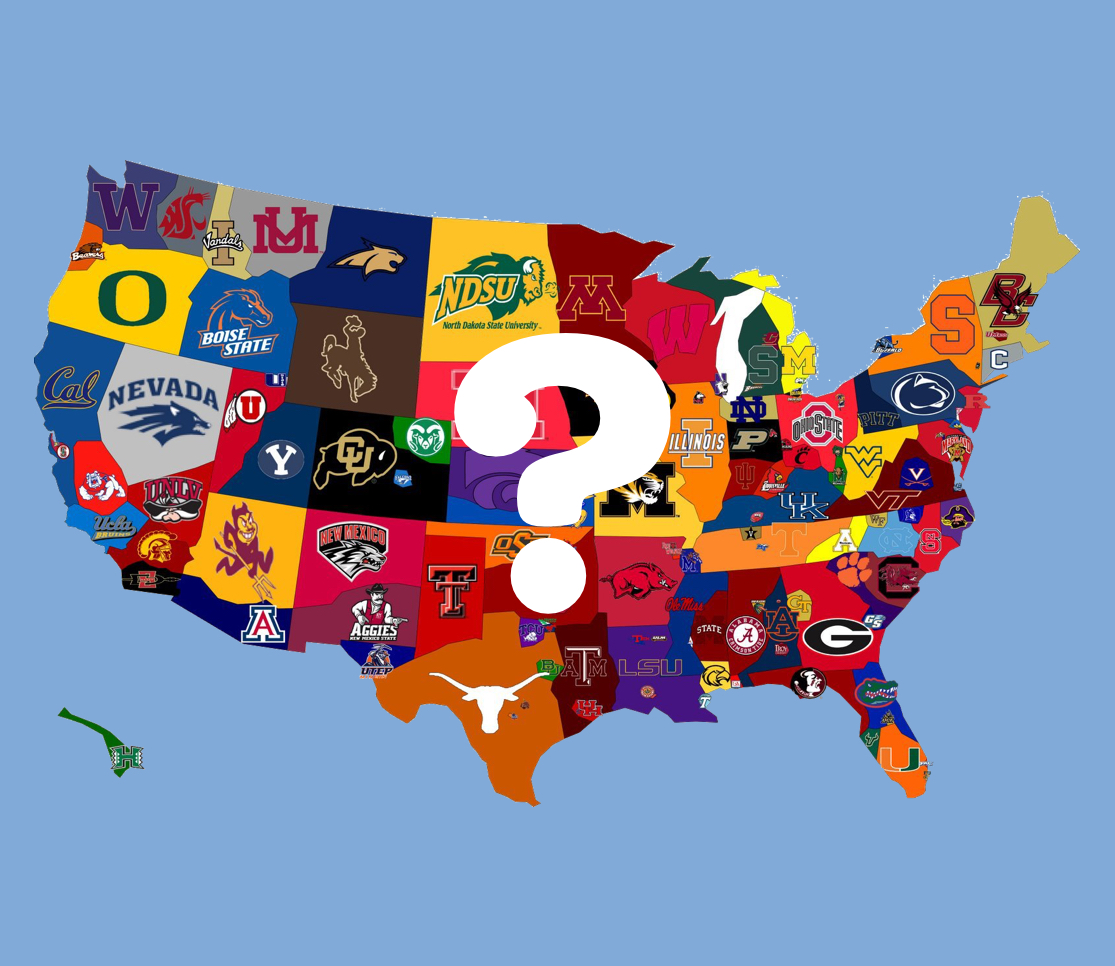
How to Build a College List
The college application process has numerous components, making it challenging for students and families to know where to begin. Creating a well-rounded college list is one of the most important steps in that process. Starting in junior year gives you ample time for researching, visiting campuses, and eliminating schools that don't meet your criteria.
Understanding College Types
Before diving into specifics, understand the broad categories of institutions:
- Public universities — state-funded, lower in-state tuition, often larger class sizes and broader program offerings.
- Private colleges — funded through tuition, endowments, and donations; smaller class sizes, potentially more generous institutional aid.
- Liberal arts colleges — emphasize broad-based education across humanities, sciences, and social sciences; strong faculty-student interaction.
- Research universities — focus on graduate programs and cutting-edge research; undergraduates may access labs and faculty projects.
- Community colleges — affordable two-year programs with transfer pathways to four-year schools; flexible scheduling.
Key Factors to Consider
Investing time and money in college is a significant decision. Although well-known colleges or those with renowned sports teams may seem attractive, they may not be the best fit for everyone. When compiling your list, evaluate each school on these criteria:
- Availability of your intended major and program strength
- Financial aid availability and net cost after aid
- Opportunities for internships, co-ops, or undergraduate research
- Average class size and student-to-faculty ratio
- Desired academic experience (honors programs, dual majors, study abroad)
- Extracurricular activities of interest
- Housing options and campus living culture
- First-year retention rates and overall graduation rates
- Graduation rates across different income levels
- Job placement rates for graduates in your intended major
- Location — urban, suburban, or rural; distance from home; climate
- Athletics — competitive or intramural
- Religious affiliation, if relevant
- Student diversity and campus culture
- Course rigor — AP/IB/Honors credit policies, academic challenge
Researching Colleges
Beyond browsing websites, there are direct ways to gather meaningful insight about colleges:
- Register to receive information directly from colleges
- Attend college fairs and engage with admissions representatives
- Attend college presentations held at your high school
- Reach out to admissions officers with your specific questions
- Visit campuses in person — virtual tours are helpful but insufficient for gauging culture
- Talk to current students and recent alumni about their real experience
- Use tools like College Scorecard and PayScale for outcomes/ROI data
Finding Your Best Fit
Don't rely on name brand or reputation alone. Your college choices should be a strong match across three dimensions:
Academic Fit
Look beyond selectivity rankings. Consider whether the school offers your intended major with strong faculty, research opportunities, and career outcomes. Examine the academic environment — are classes mostly lecture-based or seminar-style? Does the school value course rigor, and how do they handle AP/IB credits? Schools where freshmen stay and graduate (high retention and completion rates) signal academic satisfaction.
Financial Fit
Always compare net cost (total cost of attendance minus grants and scholarships), not sticker price. Use each school's net price calculator for a personalized estimate. Understand your Student Aid Index (SAI), formerly called Expected Family Contribution (EFC), from FAFSA. Assess your debt willingness realistically — compare potential loan payments against expected starting salaries in your field. Check scholarship renewal requirements (GPA minimums, full-time enrollment).
Personal Fit
Campus size, setting, culture, and support resources all affect your happiness and success. Consider whether you thrive in a large, bustling environment or a smaller, tight-knit community. Research student support services — tutoring, mental health counseling, career advising, and disability accommodations. Students who feel a genuine sense of belonging are more likely to persist, succeed, and maintain their mental health.
Check each college's detailed Profile for further information.
Building a Balanced List: Safety, Target, and Reach
Once your research is complete, it's time to categorize schools into three groups to maintain balance. A balanced list minimizes risk, maximizes your choices on decision day, and gives you financial leverage to negotiate aid.
Safety Schools (2–3 recommended)
A safety school is one where you have an 80% or higher chance of being accepted — your SAT/ACT scores and GPA place you in the top 25% of the student body. Safety schools are often less competitive but can still be excellent institutions. It's critical that a safety school is also financially feasible. Opting for an in-state college is often the best choice, and rolling admissions safety schools can give you early acceptance peace of mind.
Consider colleges that offer assured admission, primarily based on grades and test scores. If you meet minimum requirements, these colleges will admit you. Examples include Oklahoma State and Washington State, and several state schools in California, Iowa, Florida, and Texas provide assured admission to in-state residents.
Target Schools (3–5 recommended)
A target school is where your GPA and test scores align with the average admitted student — typically falling between the 25th and 75th percentiles of enrolled students. These are schools where admission is reasonably likely but not guaranteed. Target schools are often the best candidates for your "perfect fit."
Reach Schools (2–4 recommended)
A reach school (or reach school) is a college where admission is a long shot based on your academic profile. It's still possible to be accepted, but don't waste time and money applying to schools where your profile is far below the average admitted student. Stretch yourself, but don't put all your eggs in one basket.
How Many Schools Should You Apply To?
A suitable range falls between 8 and 20 schools. If you're applying to extremely competitive universities, that number may exceed 20. Rather than fixed category sizes, adjust safety, target, and reach numbers based on your academic profile, financial situation, and personal preferences. Our Build College List tool offers the most flexible way to create and evaluate your list.
Outcomes and Return on Investment
Don't overlook post-graduation outcomes when evaluating colleges. Research average starting salaries for graduates in your intended major, the strength of career services and alumni networks, and overall ROI using tools like College Scorecard and PayScale. A school's prestige matters less than whether its graduates land jobs, earn competitive salaries, and carry manageable debt.
Less Obvious Insights
- Fit evolves: Your priorities may shift as you mature. The "perfect" school at 17 may not match your goals at 20 — and that's okay. Transferring is always an option.
- Gap year consideration: If you're uncertain, a gap year for work, travel, or volunteering can bring clarity and strengthen future applications.
- Social mobility: Some schools excel at launching lower-income students into higher earning brackets. Look beyond average outcomes to see how the school serves students like you.
- Trust gut feelings: After all the data, campus visits often reveal an intangible sense of belonging that numbers can't capture.
- Resist prestige pressure: Rankings fluctuate. A school where you're challenged, supported, and engaged will serve you better than a name on a diploma.
A well-chosen college can open doors for years to come—not just at graduation, but throughout life. Focus on the intersection of your ambitions, resources, and well-being, and your list will guide you toward a school where you'll truly thrive.
Finding Your Personal Fit
Beyond academics and finances, your personal well-being and sense of belonging on campus are critical to success. Here are dimensions many students overlook when building their college list.
Mental Health Resources
Investigate each college's counseling center: staff-to-student ratio, wait times for appointments, and whether services are free or fee-based. Look for campuses that offer crisis intervention, peer counseling programs, support groups, and teletherapy options. Schools that treat mental health as a priority—not an afterthought—tend to have higher retention and student satisfaction. Ask current students whether they feel comfortable seeking help.
LGBTQ+ Inclusivity
- Campus climate indices: Check the Campus Pride Index, which rates colleges on LGBTQ-inclusive policies, programs, and practices.
- Resource centers: Many colleges have dedicated LGBTQ+ centers offering advocacy, social events, mentoring, and safe spaces.
- Gender-inclusive housing: Some schools offer gender-neutral housing options and chosen name policies on IDs and records.
- Student organizations: Active GSAs (Gender-Sexuality Alliances) and LGBTQ+ student groups signal a welcoming community.
- Regional context: Campus culture can differ significantly from the surrounding community. Research both.
Disability Accommodations
- Disability services office: Every college receiving federal funding must provide accommodations under the ADA and Section 504. Look for a well-staffed, proactive disability services office.
- ADA compliance: Evaluate physical accessibility—ramps, elevators, accessible dorms, and transportation. Virtual campus tours can reveal accessibility gaps.
- Academic accommodations: Extended test time, note-taking services, assistive technology, and priority registration are standard offerings.
- Campus accessibility: Consider the terrain (hilly vs. flat), distance between buildings, and availability of accessible transportation.
First-Generation Community
First-generation college students face unique challenges navigating an unfamiliar system. Look for colleges that offer:
- Dedicated first-gen programs: Structured support programs (like TRIO or institutional equivalents) that provide advising, tutoring, and community.
- Mentoring: Faculty and peer mentoring programs specifically for first-generation students help bridge the knowledge gap.
- Orientation and bridge programs: Summer bridge programs give first-gen students a head start on campus life, academics, and relationship-building before the semester begins.
Religious Life
- Interfaith centers: Many campuses host interfaith centers or chaplaincies that serve students of all backgrounds—or none.
- Student organizations: Religious and spiritual student groups (Hillel, Newman Centers, Muslim Student Associations, InterVarsity, etc.) provide community and support.
- Dining accommodations: Check whether campus dining offers kosher, halal, or other religiously observant meal options.
- Prayer and worship spaces: Dedicated meditation rooms, chapels, or prayer spaces signal respect for diverse spiritual practices.
Personal fit isn't a luxury—it's a predictor of persistence and success. Students who feel seen, supported, and safe on campus are far more likely to thrive academically and personally. Include these factors in your college research alongside rankings and programs.
References:
- How to make a college list
- How to Make a College List | Best Colleges | US News
- How to Build Your College List - College Raptor Blog
- How to Build a Balanced College List
- How to Create a College List
- How to Finalize Your College List
- Know How to Build a Great College List
- What Colleges Should I Apply To? Making a College List
- Building Your College List
- College Fit: Reach, Match, and Safety Colleges Explained
- What are Safety, Reach and Match Schools?
- How to Choose Dream, Target, and Safety Schools
- How to Identify Your Safety, Match and Reach Schools
- What’s the Right Mix of Safety Schools vs. Reach Schools on Your College List?
- Safety, Target, & Reach Schools: How to Find the Right Ones
- How to Pick Your Match, Safety, and Reach Colleges
- How to Identify Safety Schools in College Admissions
- How Many Colleges Should I Apply To?
- Measuring Academic Fit: Reach, Match and Safety Schools
- Safety, Target or Reach? Build Your Balanced College List on RaiseMe
- Building a College List that is Right for You
- Find Your Match: Data Companies Transform College Applications
- 5 Reasons to Apply to Safety Schools with Rolling Admissions
- Your List of Colleges: What Are Likely, Target, and Reach Schools?