
Student Life
Information for selected colleges (hint: some colleges may not have the information you are looking for)
Housing: On-Campus vs. Off-Campus
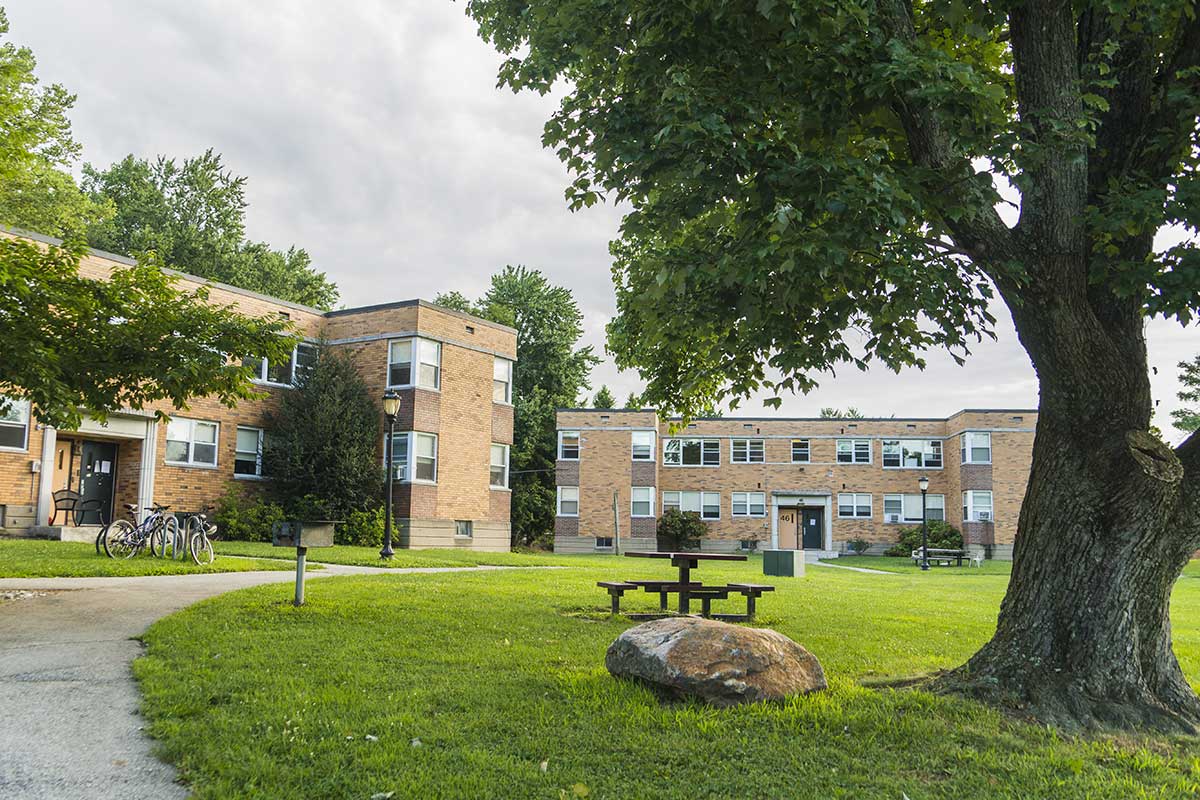
Where you live during college shapes your daily routine, social life, and academic success. At San Diego State University, students who live on campus for two years have a 90% continuation rate compared to 70% for those who move off-campus after one year. At Harvard, 99% of undergraduates live on campus. According to the U.S. Census Bureau, 63% of students live with family, 25% off-campus, and 12% in residence halls.
On-campus living offers camaraderie, convenient access to classes and campus resources, and included expenses. Many schools require first-year students to live on campus—some guarantee housing for freshmen but not upperclassmen. The trade-offs include higher cost, limited privacy, shared facilities, school policy requirements, and dormitories that shut down during breaks. International students may also miss familiar cultural practices and cooking options.
Off-campus living provides independence, potentially lower costs, and the freedom to choose your roommates. However, it means handling bills, maintenance, and transportation on your own—with longer commutes and no Resident Assistant support. Some schools offer personality- or interest-based roommate matching to ease the transition for on-campus students.
Housing Cooperatives
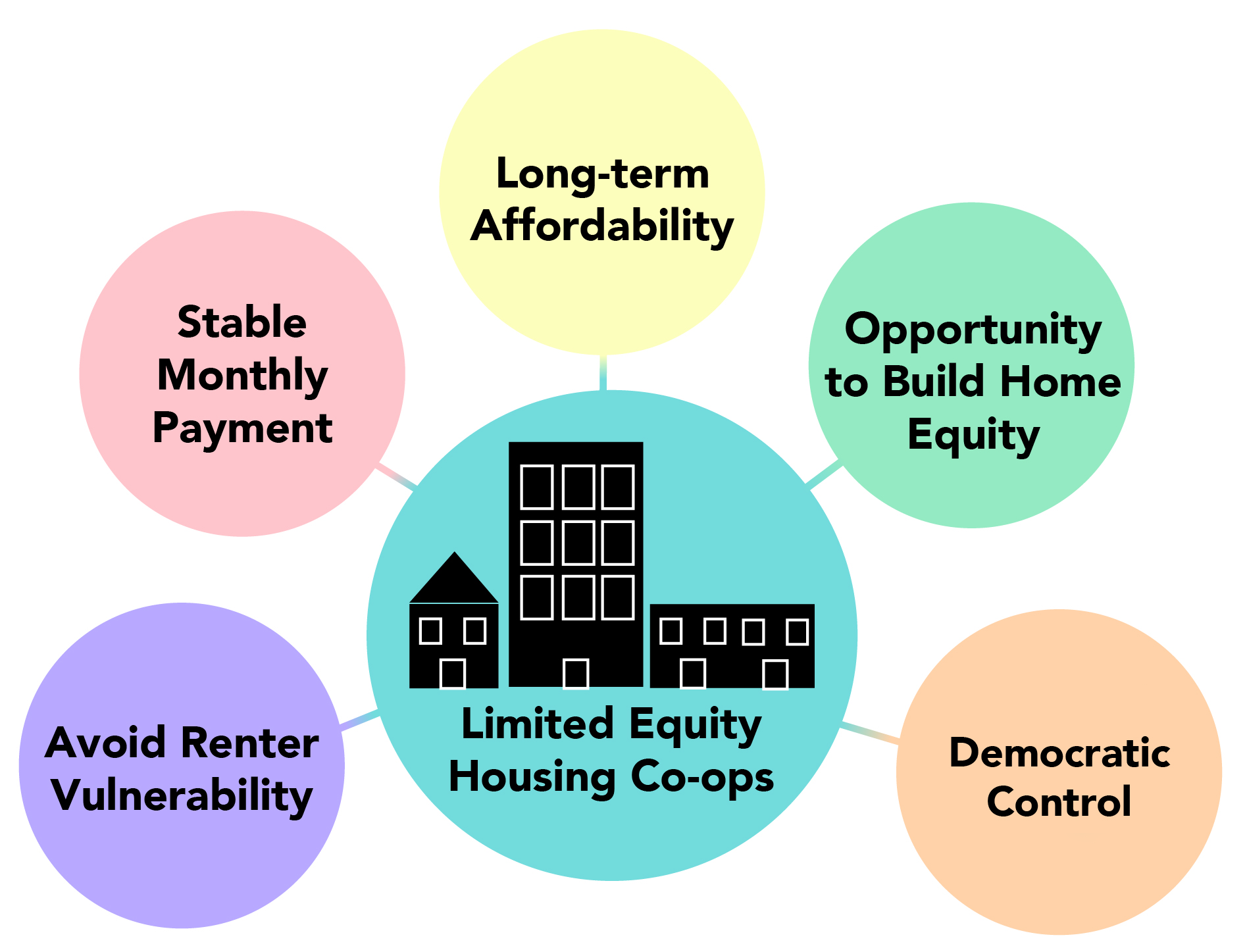
Housing cooperatives (co-ops) offer a cost-effective alternative to traditional renting or buying. In a co-op, you hold shares in a corporation rather than owning a unit outright—and take out a "share loan" instead of a mortgage. Three main types exist:
- Market rate co-ops let members buy and sell shares at market-determined prices.
- Limited equity co-ops restrict share prices to maintain affordability.
- Leasing co-ops involve the corporation leasing the building rather than owning it, so no equity accumulates.
Co-op buyers pay pro-rata maintenance costs and enjoy certain tax deductions, but face stricter ownership requirements—including net worth and debt-to-income thresholds, background checks, and limited subleasing compared to condos (which are classified as real property with shared common areas).
Wellness Dorms
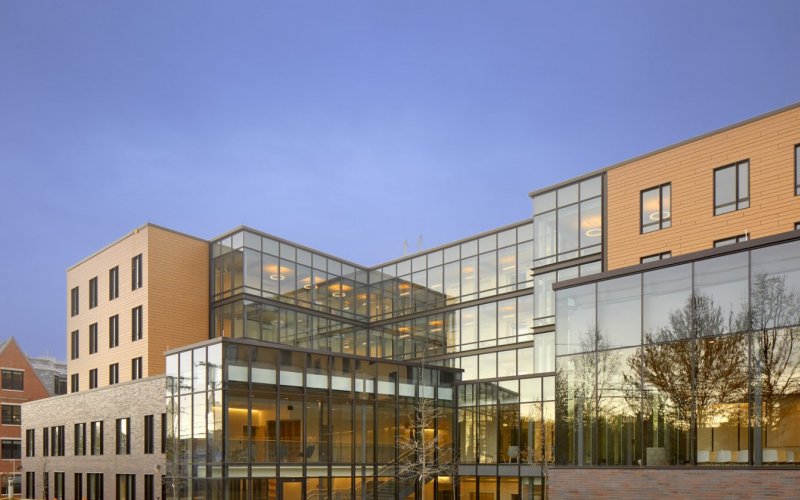
Wellness dorms are living-learning communities (LLCs) that bring together students committed to a holistically healthy lifestyle. Unlike dorms grouped by major, these focus on all seven dimensions of wellness. At the University of North Dakota, residents engage in shared classes, trips, and group activities centered on well-being.
Programs vary by campus: Frostburg State's "bWell" program offers the "CHILL" initiative focused on healthy, informed lifestyles, while the University of Vermont's Wellness Environment includes a 3-credit seminar on "Healthy Brains Healthy Bodies" exploring well-being through neuroscience. Most wellness dorms maintain substance-free policies and offer fitness classes, healthy cooking workshops, and budgeting sessions.
An unexpected benefit is the strong sense of community—students sharing a distinct living philosophy often form deep bonds that extend well beyond academics.

College Meal Plans
Meal plans are prepaid accounts for on-campus dining, typically ranging from 7 to 21 meals per week. Room and board costs, including meals, run $7,000 to $14,000 per year. Most schools mandate a meal plan for first-year students (often the largest plan), though commuters may be waived. Colleges typically contract with for-profit food service companies and earn a percentage of the fees.
Choose your plan based on actual eating habits—if you skip breakfast or eat out often, a smaller plan saves money. Unused meals may not carry over to the next week or semester, but some schools let you spend leftover credits at on-campus grocery stores, local restaurants, or farmers' markets.
Most campuses offer all-you-can-eat dining and accommodate dietary restrictions including gluten-free, dairy-free, vegetarian, vegan, kosher, and halal options. Some smaller colleges let students build relationships with food service staff for custom meals. Guests can usually use your meal card (deducting from your count) or pay cash. Many campuses are also investing in locally sourced and sustainable dining options that respond to student feedback.
Campus Safety
A safe campus environment is essential for well-being and academic success. Under the Clery Act, colleges must publish annual security reports with crime statistics and policies—always review these when researching schools.
Most campuses employ dedicated police or security teams, use surveillance cameras and strategic lighting, and provide emergency blue-light phones for immediate contact with security. Access control systems (ID cards, key fobs, electronic locks) restrict entry to residence halls and academic buildings. Many schools also offer evening escort or safe-ride shuttle services.
Look for colleges with emergency notification systems (text/email alerts), crime prevention workshops, and self-defense classes. Comprehensive campus safety also includes mental health resources, crisis intervention, and student involvement in safety committees. A transparent reporting culture is a strong indicator of a safer, more inclusive environment.
Student Activities
Extracurricular activities build leadership, social connections, and practical skills that employers and graduate schools actively value. Common categories include:
- Academic Clubs: Debate, pre-med, robotics, and language clubs that deepen subject mastery
- Sports & Recreation: Varsity, club, and intramural sports promoting fitness and school spirit
- Arts & Performance: Theater, dance, music, and visual arts for creativity and self-expression
- Volunteer & Service: Community service organizations fostering civic responsibility
- Cultural & Identity Groups: Organizations celebrating diversity, heritage, and inclusion
- Student Government: Councils that develop governance and advocacy skills
- Media & Publications: Campus newspapers, radio, and literary magazines
Sustained involvement and leadership in activities matter more than breadth. These experiences connect you to peers, alumni, and mentors who can become lifelong career contacts. Vibrant student life is also a major factor in college satisfaction and retention—look for schools where the breadth of clubs and organizations signals an inclusive community.

Diversity on Campus
Diversity encompasses race, class, gender, ethnicity, ability, religion, cultural heritage, language, veteran status, sexual orientation, socioeconomic status, and unique life challenges. American universities—once exclusively white and male—have evolved significantly. Historically Black colleges and universities (HBCUs) played a pivotal role in this transformation, and the American Council on Education reports that non-white undergraduate and graduate enrollment continues to grow, though faculty and staff disparities persist.
Exposure to diverse perspectives fosters critical thinking, creativity, and the intercultural skills needed to navigate global challenges. Many students describe diversity as a source of delight—discovering new music, food, dances, poetry, art, and stories from classmates enriches life well beyond graduation.
Diversity in Admissions
Colleges use holistic review to consider an applicant's full background—not just grades and scores. Supplemental essays often ask how your background will contribute to campus diversity. Many institutions offer need- and identity-based scholarships, along with diversity-focused resource centers, clubs, and mentoring programs.
As you apply, recognize how your identities intersect (intersectionality). True diversity goes beyond demographic labels—it's about authentic lived experience. Celebrate your unique story, seek multicultural experiences in high school, and use your essays to share how your journey has shaped your perspective.
Living Environments & Campus Geography
Where a college is located—and how the campus is designed—has a bigger impact on daily life than most students expect. Consider these factors carefully as you build your list.
Urban vs. Suburban vs. Rural
- Urban campuses (NYU, Boston University, DePaul) integrate with the surrounding city. You'll have access to internships, cultural events, public transit, and diverse dining—but may lack a traditional "quad" feel and deal with higher costs of living.
- Suburban campuses (Villanova, Elon, Lehigh) offer a blend of campus community and nearby amenities. They're typically car-friendly with more defined campus boundaries.
- Rural campuses (Middlebury, Grinnell, Sewanee) provide a tight-knit community surrounded by nature. Social life centers on campus, and you'll need a car for off-campus activities.
Walking vs. Driving Culture
Some campuses are entirely walkable with everything within a 10-minute stroll. Others are spread across thousands of acres with shuttle systems. Ask: Can you walk between classes comfortably in 10 minutes? Do you need a bike, car, or bus pass? Is parking available and affordable?
Weather Impact
Climate affects your daily life more than you might think. Long winters with snow and ice change how you get around campus. Extreme heat can make outdoor activity uncomfortable. Consider whether you thrive in seasonal change or prefer consistent mild weather—and whether the campus infrastructure (covered walkways, tunnels, heated buildings) accommodates its climate.
On-Campus vs. Off-Campus Living
Most freshmen live on campus, but policies vary for subsequent years. Some schools require on-campus housing for two or even four years; others have strong off-campus rental markets. On-campus living builds community and simplifies logistics; off-campus living offers independence and potentially lower costs. Research the local rental market and campus housing availability.
Commuter Student Experience
Commuter students face unique challenges: feeling disconnected from campus life, juggling transportation logistics, and missing informal social interactions. Look for schools with strong commuter support—dedicated lounges, meal plan options for non-residents, commuter student organizations, and evening/weekend programming.
Mental Health Services
Your mental health in college is just as important as your academic performance. Most students will face some level of stress, anxiety, or adjustment challenges. Knowing what support is available—and how to access it—matters.
On-Campus Counseling Centers
Nearly every accredited college offers free or low-cost counseling services. These typically include individual therapy, group counseling, crisis intervention, and wellness workshops. Some centers specialize in common college concerns: anxiety, depression, eating disorders, relationship issues, and substance use. Wait times vary— large universities may have longer waits, while smaller schools may offer quicker access.
Crisis Resources
- 988 Suicide & Crisis Lifeline: Call or text 988 for free, 24/7 support for anyone in emotional distress.
- Crisis Text Line: Text HOME to 741741 to connect with a trained crisis counselor via text message.
- Campus emergency lines: Most colleges have after-hours crisis phone lines and on-call counselors. Save these numbers in your phone during orientation.
Peer Support Programs
Many campuses train student peer counselors or wellness ambassadors. Talking to someone your own age who understands the college experience can feel more approachable than formal counseling. Peer programs complement—but don't replace—professional mental health services.
Teletherapy
Virtual counseling has expanded dramatically. Many colleges now partner with teletherapy platforms (TimelyCare, BetterHelp, Talkspace) to provide students with 24/7 access to licensed therapists—especially helpful for students in remote areas or those who prefer the privacy of virtual sessions.
Reducing Stigma
Seeking help is a sign of strength, not weakness. Colleges are actively working to normalize mental health support through campus-wide campaigns, mental health first aid training, and integration of wellness into orientation. Students who seek support early tend to perform better academically and have a more positive college experience overall.
LGBTQ+ Student Life
For LGBTQ+ students, campus climate can significantly impact safety, well-being, and academic success. Researching a school's LGBTQ+ support infrastructure is an important step in finding the right fit.
Resource Centers
Many colleges have dedicated LGBTQ+ resource centers offering social programming, support groups, library collections, safer space training for faculty and staff, and advocacy support. These centers serve as a hub for community and connection.
Student Organizations
Active student organizations—GSAs, pride alliances, queer student unions, and identity-specific groups (trans student groups, queer students of color organizations)—signal an engaged and supported LGBTQ+ community.
Inclusive Housing
Gender-inclusive housing options (allowing students to room regardless of assigned sex) are available at a growing number of institutions. Some schools also offer LGBTQ+-themed living-learning communities. Ask about housing policies and options during your college search.
Chosen Name Policies
Many colleges allow students to use a chosen name on class rosters, campus IDs, email addresses, and diplomas—even before a legal name change. This policy is especially important for transgender and non-binary students.
Campus Climate Indicators
- Campus Pride Index: Rates colleges on LGBTQ-inclusive policies, programs, and practices on a 1–5 star scale.
- Non-discrimination policies: Check whether the school explicitly includes sexual orientation and gender identity in its non-discrimination statement.
- Health services: Does the campus health center provide LGBTQ+-competent care, including hormone therapy access and mental health support?
Regional Considerations
Campus culture can exist as a bubble within a broader regional context. A supportive campus in a less-accepting area may feel isolating once you step off campus. Research both the institution and the surrounding community, including local laws, community organizations, and social attitudes.
Accessibility & Disability Services
All colleges receiving federal funding are required to provide accommodations under the Americans with Disabilities Act (ADA) and Section 504. However, the quality, scope, and culture of support varies significantly between institutions.
Registering with Disability Services
Unlike high school (where the school identifies and serves students), college requires you to self-identify and request accommodations. Contact the disability services office as early as possible—ideally before classes begin. You'll need to provide documentation (IEP, 504 Plan, medical records, psychoeducational evaluations) and work with a coordinator to develop an accommodation plan.
Academic Accommodations
- Extended time: Additional time on exams and assignments is one of the most common accommodations.
- Note-taking services: Peer note-takers, recorded lectures, or assistive technology (Livescribe pens, Otter.ai) help students who have difficulty taking notes.
- Accessible housing: Priority housing assignments for students with mobility, sensory, or medical needs.
- Priority registration: Early course registration ensures students can select classes that fit their accommodation needs.
Physical Accessibility
Evaluate campus terrain, building accessibility (elevators, automatic doors, accessible restrooms), and transportation options. Older campuses may have accessibility challenges despite retrofit efforts. Request an accessibility-focused campus tour if you have mobility concerns.
Learning Disabilities Support
Students with learning disabilities (dyslexia, ADHD, processing disorders) benefit from colleges with strong learning support programs. Some schools offer structured programs with dedicated tutoring, coaching, and skill-building (Landmark College, University of Arizona SALT Center). Others provide standard accommodations through the disability services office.
Invisible Disabilities
Chronic illness, mental health conditions, autoimmune disorders, and other invisible disabilities are covered under ADA. Students with these conditions deserve the same accommodations and support as those with visible disabilities. Disclosing is a personal choice, but accessing services proactively can prevent small challenges from becoming crises.
References:
- Housing Cooperatives: A Unique Type of Home Ownership
- THE ADVANTAGES AND DISADVANTAGES OF CO-OP HOUSING
- Making yourself a home: 3 types of housing co-ops
- What Are “Wellness Dorms”? They’re AWESOME.
- The Ultimate Guide to Campus Clubs and Organizations
- The 15 Most Popular College Fraternities That Students Pledge To
- The Pros and Cons of Joining a Fraternity or Sorority
- What Is a College Meal Plan?
- College Meal Plans
- Choosing Where To Live In College
- Diversity in College and Why It Matters
- Why Is Diversity Important in the College Experience?
- College Extracurricular Activities Impact on Students, Types of Extracurricular Activities
- Extracurriculars Matter — To You and To Colleges